

Understanding the unprecedented challenges presented by the COVID 19 pandemic
Using a range of simple concepts and models that highlight acute and chronic shifts and changes in self and others
- Understand the brain’s function and the body’s response to stressors
- Being alert to signs of prolonged stress and trauma (physical and
- psychological effects)
- Recognizing the signs of mental or physical distress in ourselves and others
The changing responsibilities of Managers, Leaders, and Colleagues to connect at a relational level as well as a task-based level.
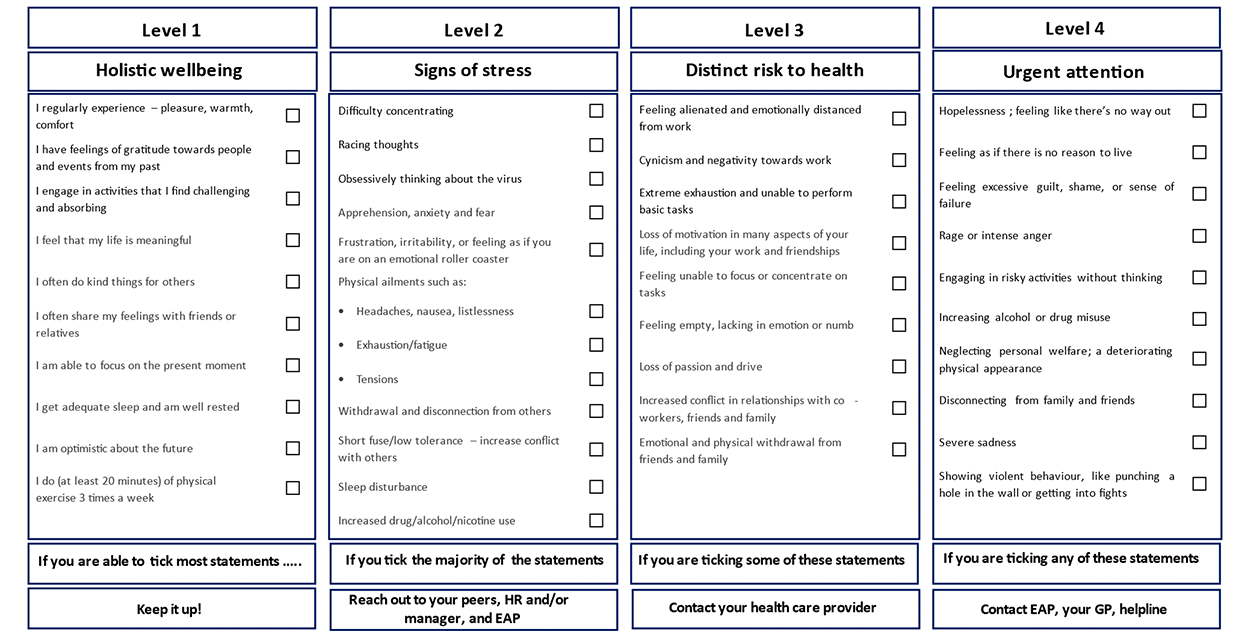
Using our HSW checklist to identify critical signs and
symptoms in our self and others.
Heath, Safety and Wellbeing checklist
We explore and support the development of the essential qualities for wellbeing, successful
relationships, and organisational performance:
Building relationships
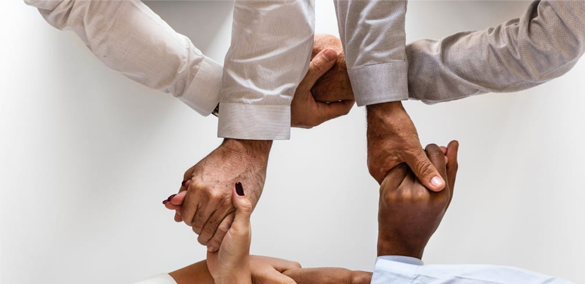
Having good relationships is the most important factor contributing to a sense of wellbeing. This can include family, friends, workmates, and others in the community. Investing time and energy in your relationships can lead to great benefits for all involved.
Exercising and staying healthy
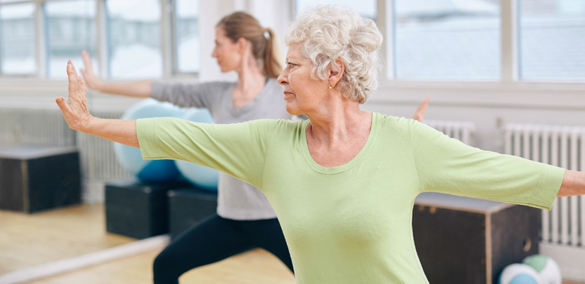
Exercise has been shown to increase wellbeing as well as reduce symptoms of depression and anxiety. Good physical health is related to better mental health so a healthy diet, avoiding excess alcohol or drugs, getting a good night’s sleep, and regular check-ups with the doctor can all help.
Developing gratitude
Count your blessings. Try keeping a gratitude journal and write down 3 positive things each day.


Identifying and using your strengths
We all have different strengths and weaknesses but finding out what you are really good at and using those talents can increase wellbeing. Using your strengths to help others or contribute to the community creates a sense of meaning and purpose.
Creating flow
Flow is the state of being so highly involved in an enjoyable activity that you lose track of time. This usually happens when the level of challenge is about right for your level of skill. Flow can happen during work, hobbies, creative arts or sports.


Giving to others
Making a contribution to the community, however small, increases social wellbeing. Many people feel a sense of contributing through meaningful work, but this could also mean volunteering, helping a neighbour or performing small acts of kindness. Take some time to do the things you really enjoy. Pleasant events can lead to positive emotions that can cancel out negative feelings.
Spirituality or religion
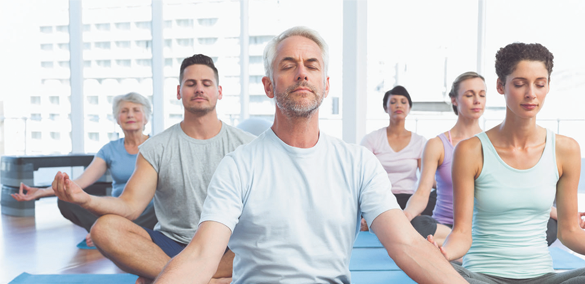
For some people, being involved in spiritual or religious practices can improve wellbeing, help in coping with stress and reduce symptoms of mental illness. This can include belonging to a faith community, meditation, prayer, mindfulness, or practices such as yoga and Tai Chi.

Seeking help
If you are struggling to feel happy, cope with everyday life, find meaning or feel connected to others, see your doctor or a mental health professional. Almost half of Australians will experience a mental disorder at some time in their life — depression, anxiety and substance abuse are the most common disorders.